


The Burgeon Blog
Our blog is a haven for everything you need to know about writing, editing, business, marketing, and design – curated all for you, all in one place.
CRAVING INSPIRATION? YOU’VE COME TO THE RIGHT PLACE
*
CRAVING INSPIRATION? YOU’VE COME TO THE RIGHT PLACE *
Most loved posts

Trauma-Informed Editing: Working with Stories That Hurt

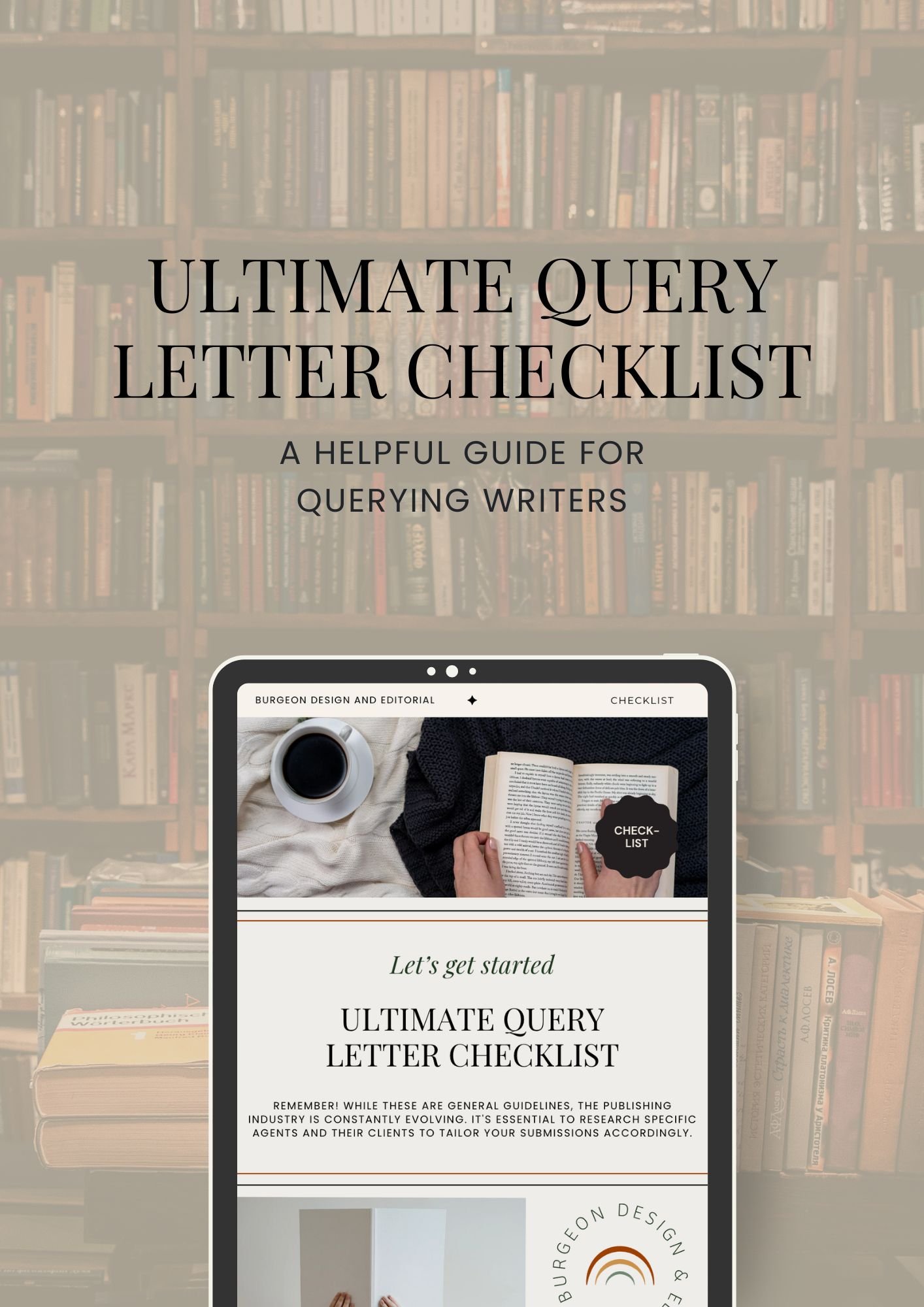
The Ultimate Query Letter Checklist: Do You Have What Agents Want?
For Writers

Learn how to select, organize, and curate a cohesive visual brand. Discover editorial photo curation strategies built specifically for authors and writers.

If you’re listening to this, chances are that you might be feeling the weight of the world on your shoulders. Exhaustion. The ache of too much happening all at once. There’s so much noise, so much grief, so much injustice.

The common writing advice 'show, don't tell' is often misunderstood. Discover how to use the powerful 'Voice Formula' to infuse your descriptions with personality, emotion, and meaning, and avoid the 'show, don't tell' trap that can ruin your writing. Get practical, actionable tips to master the art of showing vs. telling.

If you’re feeling like you’ve lost your voice or like the words aren’t coming as easily as they used to, you’re not alone. It’s something that every writer experiences at some point. Today, we’ll work through a few prompts to help you reconnect with that voice, remember what makes your writing uniquely yours, and create a space where those words can flow freely again.

Have you ever written a scene that feels… fine? The dialogue flows, the setting’s vivid, maybe you even nailed a killer line or two. But something’s off. It doesn’t move anything. Doesn’t reveal, haunt, or ripple forward. It just kind of… exists. Sits there like a placeholder that never got replaced. This blog is for that scene.

When we talk about a scene, we talk a lot about what happens in a scene. But today, I want to focus on what moves through it.

There are hundreds of literary magazines accepting submissions right now. A few dozen of them would genuinely move the needle on your writing career. The gap between those two facts is where most writers lose weeks, and where a good ranking list saves you. The better news: the best lists don't all use the same methodology, which means they complement each other in ways that are actually useful. Here's what each one measures and when to reach for it.

You shelled out thousands for an editorial letter from a reputable editor. You did everything right. You cut your darlings. You lit a candle. Rewrote that saggy middle. Sacrificed a goat (okay, just your weekends). And still—crickets. Full requests fizzle out into polite nos. Maybe even the dreaded “this is great, but I’m going to pass” email that still haunts your dreams.

Learn what makes agents stop reading—and what keeps them hooked. This deep-dive into first five pages covers craft techniques, common pitfalls, and real examples to strengthen your novel’s opening.

Learn what your query, synopsis, and first five pages must prove to stand out in today’s publishing landscape—plus tips to make every sentence count.


Writing a book is only part of the work. This guide explores the invisible labor, emotional toll, and sustainable systems behind a real writing life—including how to protect your energy, track submissions, and diversify your creative career.

Learn how to research for fiction in a way that feels intuitive, expansive, and emotionally true. This guide explores mentor texts, lived experience, curiosity, and craft tools to help you write beyond what you know—without losing your voice.

Feeling stuck in your writing? Discover how to honor your creative cycles, rebuild momentum, and show up to the page, on your own terms.

Writing romance with care involves portraying consent, boundaries, and mutual respect with clarity and intention. Explore how to craft emotionally resonant, healthy romantic dynamics without losing chemistry or tension.

Learn how to identify and avoid harmful tropes in your writing or editing process. This post explores how certain recurring character types, plot devices, and narrative choices can reinforce negative stereotypes or unhealthy ideals, and how to create more thoughtful, inclusive stories instead.

Writing about trauma in fiction requires care, honesty, and responsibility. Learn how to explore sensitive topics like abuse and mental health in your stories without glamorizing suffering or trivializing pain—while still writing with emotional depth and authenticity.

The Burgeon Design & Editorial Team is seeking blog post pitches from writers, fiction editors, and book reviewers. We invite submissions focused on the publishing industry or the writing process, with a particular emphasis on topics that resonate with writers.


Writing a book is a journey full of creativity, passion, and—let’s face it—plenty of challenges. No matter how deeply we love our stories, there are countless ways we can unintentionally stand in our own way. Whether it’s overthinking every decision or waiting for the perfect moment to start, these habits can creep in and slow down even the most motivated writers. But the beautiful thing is that once we recognize these roadblocks, we can take intentional steps to move past them and reignite our momentum.


Writing is, at its core, a relationship between you and your reader. It’s not enough to love your own idea—your story has to give readers a reason to care. When you develop the ability to switch between your perspective as the writer and the reader’s point of view, that’s when the magic happens.
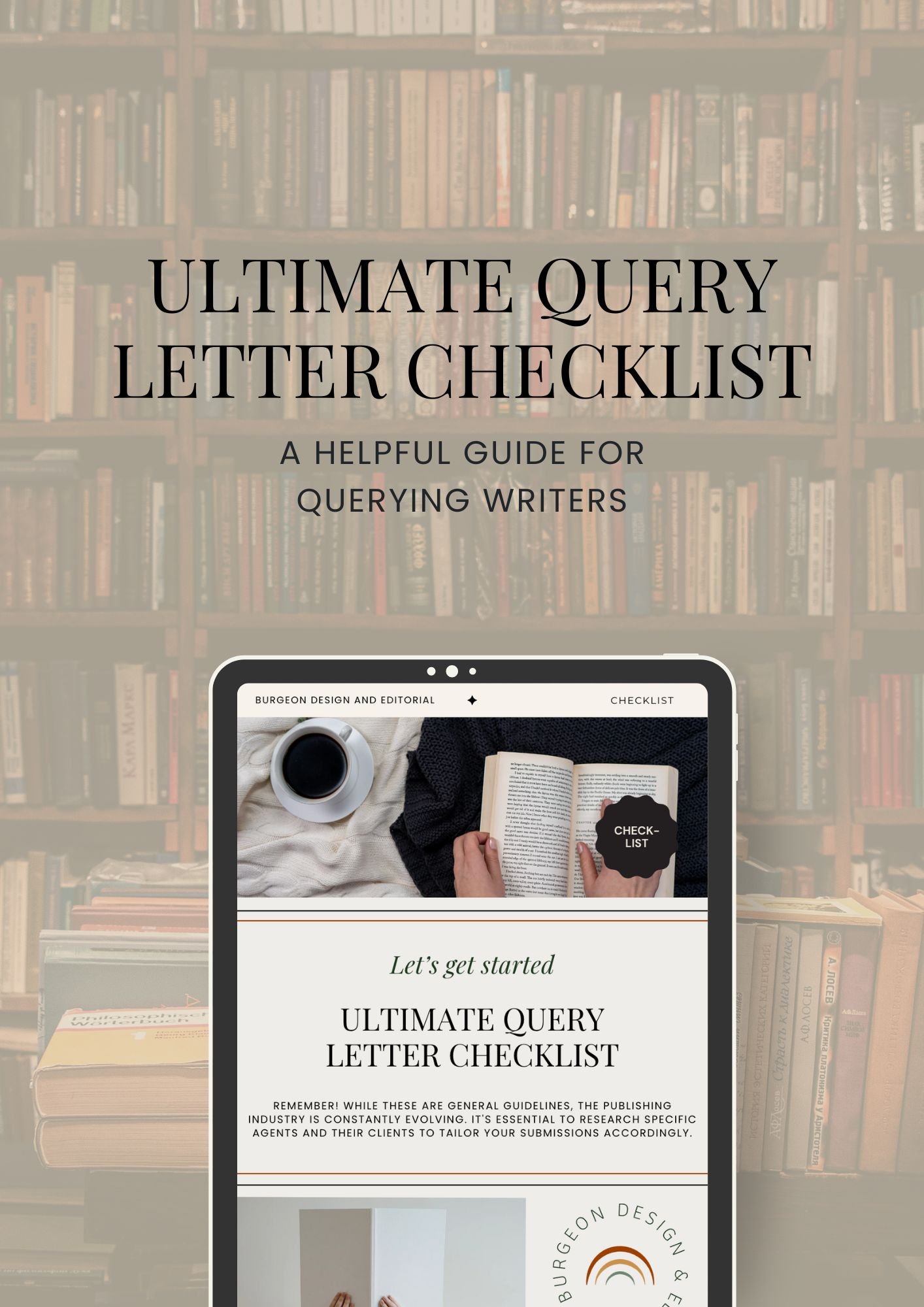
Your goal is to seduce the literary agent into wanting to read more. Just like you would a regular reader, your copy needs to speak for itself. In this case, it’s the query letter. At a bookstore, this is similar to the back cover or inside flap copy. Consider how you’d summarize your book to a potential reader in just a few sentences—now imagine doing that for an industry professional who’s evaluating whether your book has the commercial appeal, market viability, and sales potential to succeed.

Querying has never been easy, but now that it’s trickier than ever, you have to really make sure your submission package shines.
How can you best ensure that you’re putting your best foot forward when submitting to an agent?

There’s this little secret in the MFA world. You can pay $30k+ and still not know how to write a book. My MFA journey taught me a lot, but there were important lessons it didn't cover, lessons that could have saved me from post-graduation burnout and self-doubt… as well as how to navigate publishing.

I've read thousands of book pitches over the years, and while some book ideas made me lean in with excitement, eager to delve into the pages of a promising story, others left me wondering how the author could breathe life into an idea that seemed, at first glance, the same as other stories out there.

The predominant issue regarding this topic right now is that so many white authors have written harmful perspectives of people of color. From books riddled with micro-aggressions to overt racism, white authors have proven over and over that they have no business writing stories from the perspective of People of Color (POC). It’s time for white people to step aside and let people of color tell their own stories.




THE RESIDENCY WRITING COMMUNITY
You don’t need more discipline. You need rhythm, support, and a space to grow.
Inside The Residency, our cozy little writing club, you’ll find creative structure that fits you, a welcoming community that gets it, and the momentum to finally write like the writer you already are.

HAVE A GREAT IDEA FOR A BLOG POST?
We Are Currently Accepting Pitches For Guest Blog Posts!
The Burgeon Design & Editorial Team is inviting writers (both published and unpublished), fiction editors, and book reviewers to submit their pitches for a guest blog to us. Your pitch should be related to the publishing industry or the writing process, and specifically be of interest to writers.
Struggling with executive dysfunction? Learn the science behind task avoidance and how to build a personalized ADHD dopamine menu to spark creative flow.